That's why Tordenskjold is on the matchboxes.
The story of Tordenskjold and the matches begins after the fateful battles at Dybbøl in 1864.
After the war in 1864, when Schleswig was separated from Denmark, an enterprising man named Heinrich Eduard Gosch traveled to Denmark. He was sent to Copenhagen by his boss, match manufacturer Ludvig Hintze, to investigate the possibilities of starting a match factory in the Danish capital.
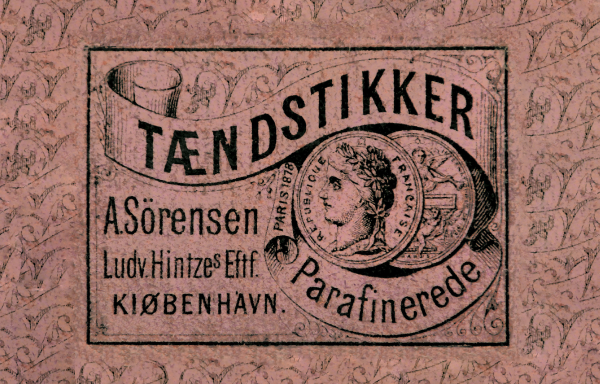
Until then, Hintze had run his match factory in Flensburg, but now that the city had become German, he wanted to move production to Denmark. Gosch rented suitable premises at Bådsmandsstræde 79 in Christianshavn, but constantly ran into problems with the authorities. It was only when Gosch was put in touch with a businessman named Anders Sørensen, who already ran a factory in Frederiksberg and had the right connections, that things really started to move forward.
To cut a long story short, Sørensen took over the lease at Bådsmandsstræde 79 and established the company Ludvig Hintzes Efterfølger. He then purchased the machines, which had been shipped from the factory in Flensburg. Once the formalities were finally in place, production could begin at the factory immediately. Anders Sørensen and his wife were in charge of operations, and Gosch was hired to travel around and sell the products.
THERE IS A WOMAN BEHIND
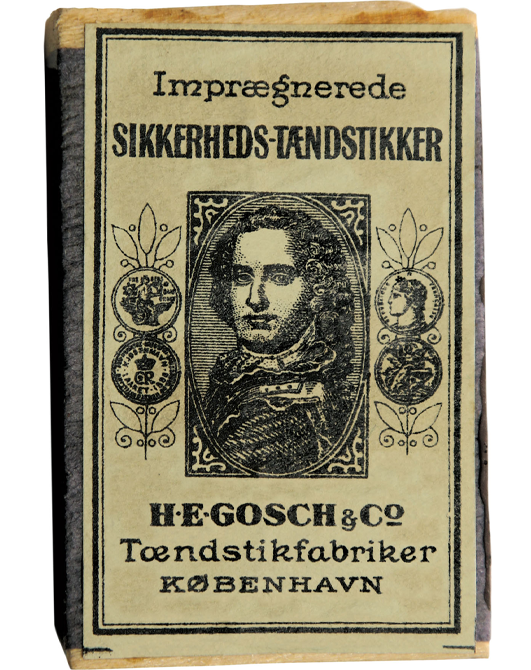
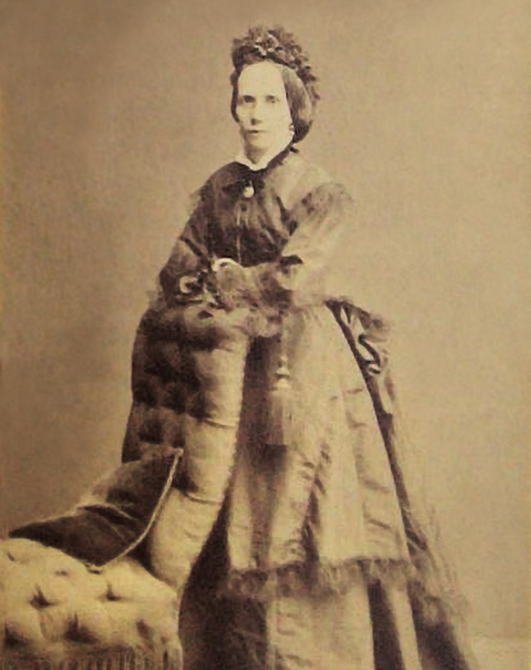
HinGosch and Sørensen had no intention of staying within the country's borders, but had ambitions to export their matches. This was no easy task, as the Swedes were the world market leaders and equally strong on the domestic front. It was here that Anders Sørensen's wife, Ane Margrethe, had the brilliant idea of putting a portrait of Tordenskjold on the matchboxes. The motto was that if he had beaten the Swedes before, he could do it again.
That is why the Danish-Norwegian naval hero has adorned matchboxes since 1865. The story is made even more interesting by the fact that Ane Margrethe allegedly got the idea in a dream. According to reports, she woke up one night with a start, sat up in bed and exclaimed: "The matches should be called Tordenskjold, because he really thundered at the Swedes at Dynekilden and kept them at bay; they were really afraid of him."
The idea was so successful that other match manufacturers did not hesitate to put Tordenskjold on their boxes as well. At one point, the problem became so widespread that Gosch and Sørensen felt compelled to place advertisements in newspapers warning consumers against the cheap imitations.
Tordenskjold can therefore probably thank the wife of a match manufacturer for the fact that he is still known throughout the country today, both by name and appearance.
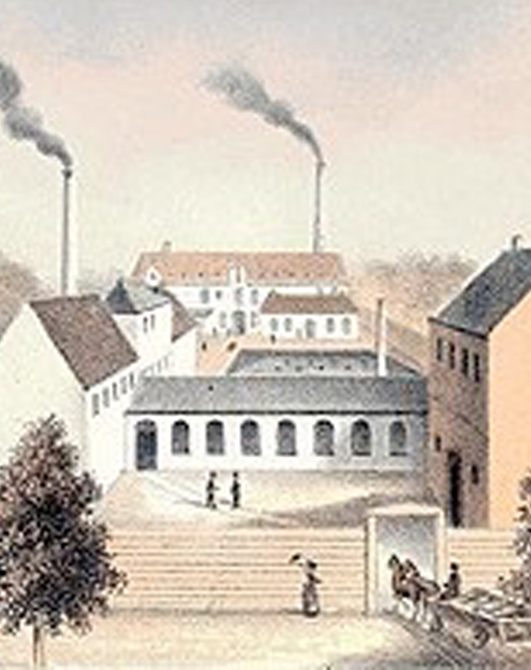
Gosch took over the factory in 1878, along with the exclusive right to use Tordenskjold as a trademark for all time. In 1880, Gosch & Co was approved as the owner of the trademark with "Tordenskjold in an upright oval frame." The approval was registered as number 9 with the Danish Trademark Office, making it one of the oldest trademarks in Denmark.
THE TORDENSKJOLD TRADEMARK
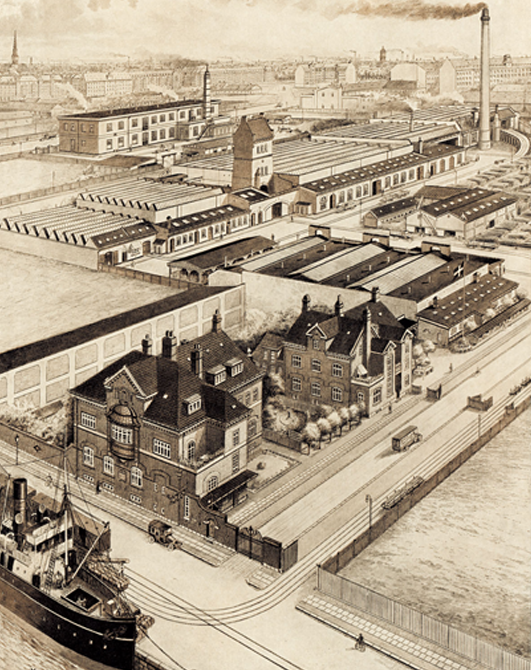
IN SWEDISH HANDS
And how did it go with beating the Swedes? Despite Tordenskjold's great success and export to most of the world, they never became a real threat to Swedish manufacturers. After many years of manufacturing Tordenskjold matches, the business was only going one way, and in 1972 Swedish Match Industries bought all the rights. Today, Tordenskjold matches are manufactured at Swedish Match Industries' own factories in Sweden.
TORDENSKJOLD'S 150TH ANNIVERSARY
Part of Danish hygge since 1865.
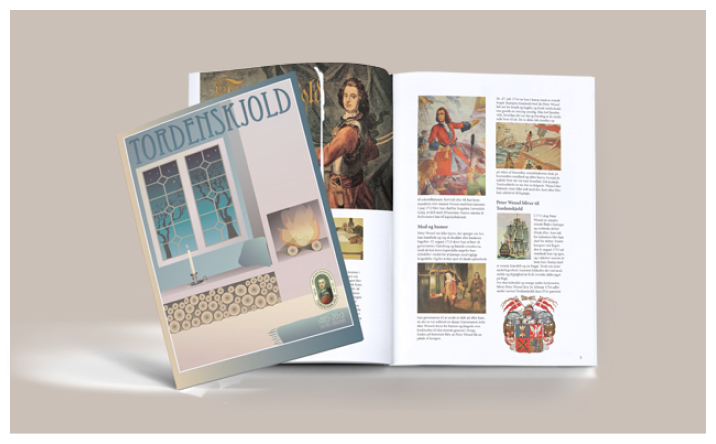
When we celebrated the 150th anniversary of the first Tordenskjold matchbox in 2015, we published a comprehensive anniversary booklet with lots of exciting stories about the old naval hero and about match manufacturing then and now.