
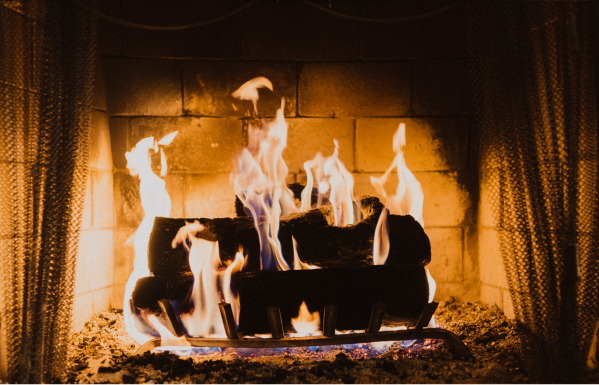
Light up your home
Want to be sure you're lighting your home efficiently and safely? Whether you're lighting a fireplace or a wood-burning stove, you'll get the best results by following this guide with important techniques and helpful tips.
It is important to understand the basic principles of lighting a fire before striking a match. Here are some important instructions to help you learn how to light a fire safely at home.
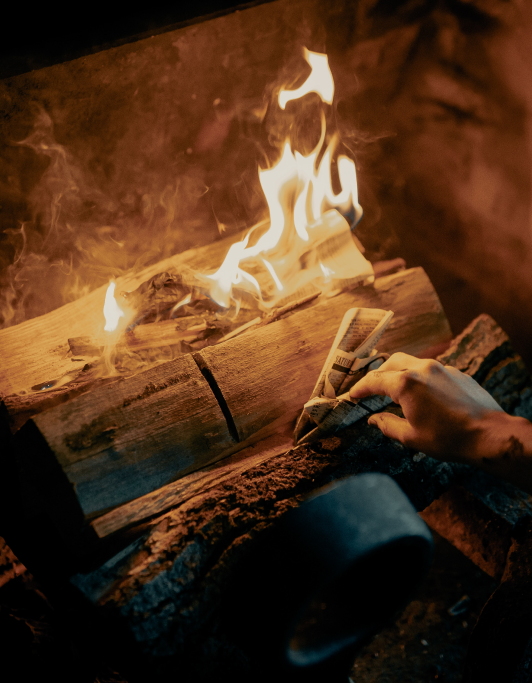
Lighting a wood-burning stove or fireplace
Use clean and dry firewood. Wet wood burns poorly, generates less heat, and produces a lot of smoke.
Never burn waste such as advertisements, magazines, milk cartons, paper, or wood that has been painted or treated with wood preservatives.
Use kindling sticks and firelighters to get the fire going quickly.
Ensure that sufficient air is supplied through the ventilation valves or damper when lighting the fire.
Add new firewood gradually. The fire must catch the wood so that the temperature rises quickly.
Adjust the air vents to the desired position and continue with optimal combustion until embers form, after which you can add new firewood.
When adding firewood, open the damper or air vent to supply air until the dark yellow flames turn blue.
A note on safety:
Fire always requires attention and respect. Fires should only be lit in places where it is permitted, and never (ever) in places where fires are prohibited. Fire bans must always be observed, regardless of how experienced you are. A safe fire is placed on a bed of gravel or sand with stones and gravel at the bottom and a circle of stones around it. Fires should not be lit on or next to rocks, nor on dry peat or moss. Also avoid lighting fires near trees, tree stumps, or dry grass, as well as when it is windy. You should always have a bucket of water nearby.